—————————————————
TRANSFORM: Transform the resource, reveal the heritage value, harness intellectual capital.
France has gradually deindustrialized—that’s a fact. The large factories that once employed entire neighborhoods are now decaying. They are part of the landscape, caught between relics of the past and progressively crumbling buildings, unattractive structures that clash with their surroundings. This is the visual reality for many people.
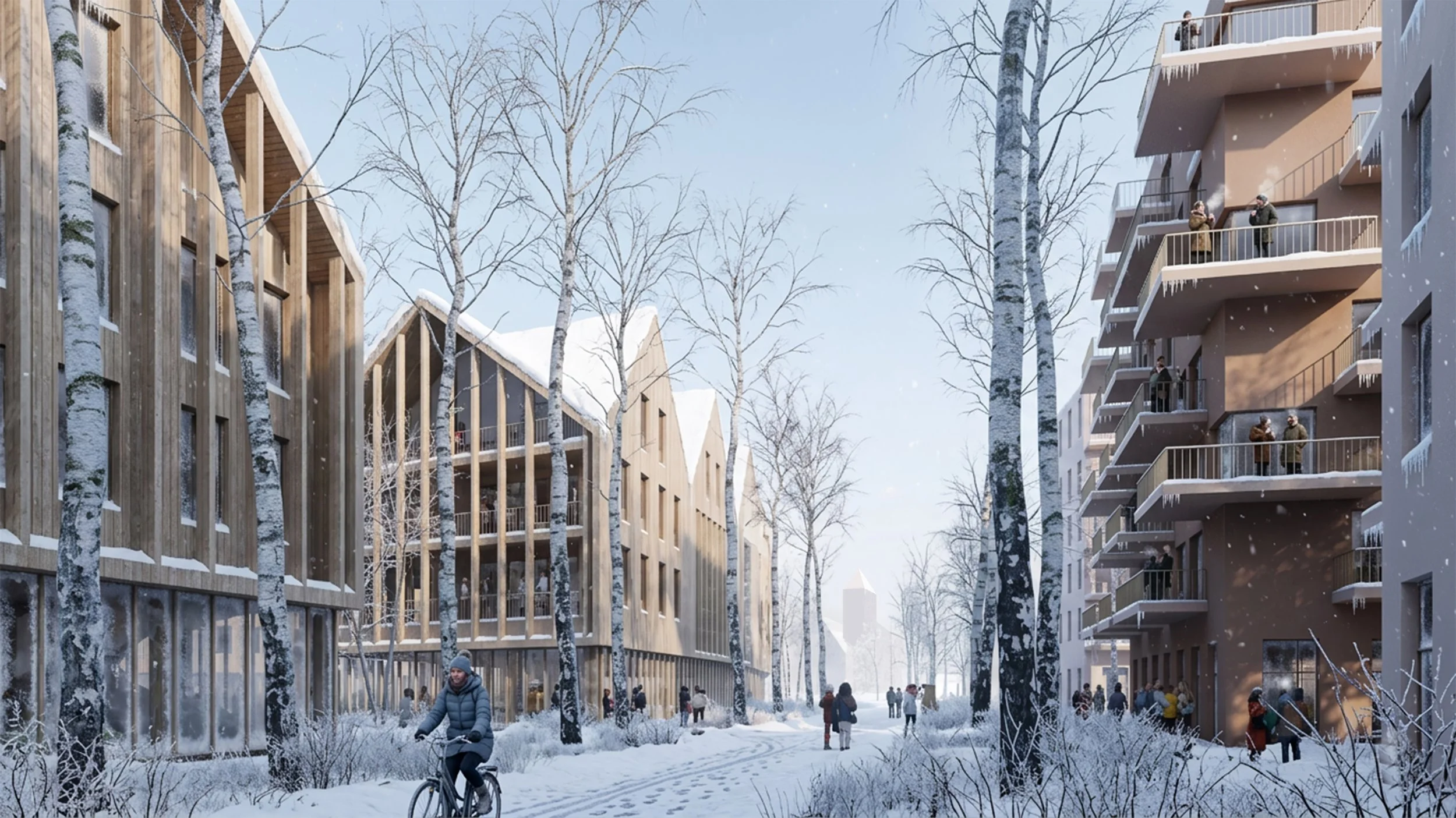
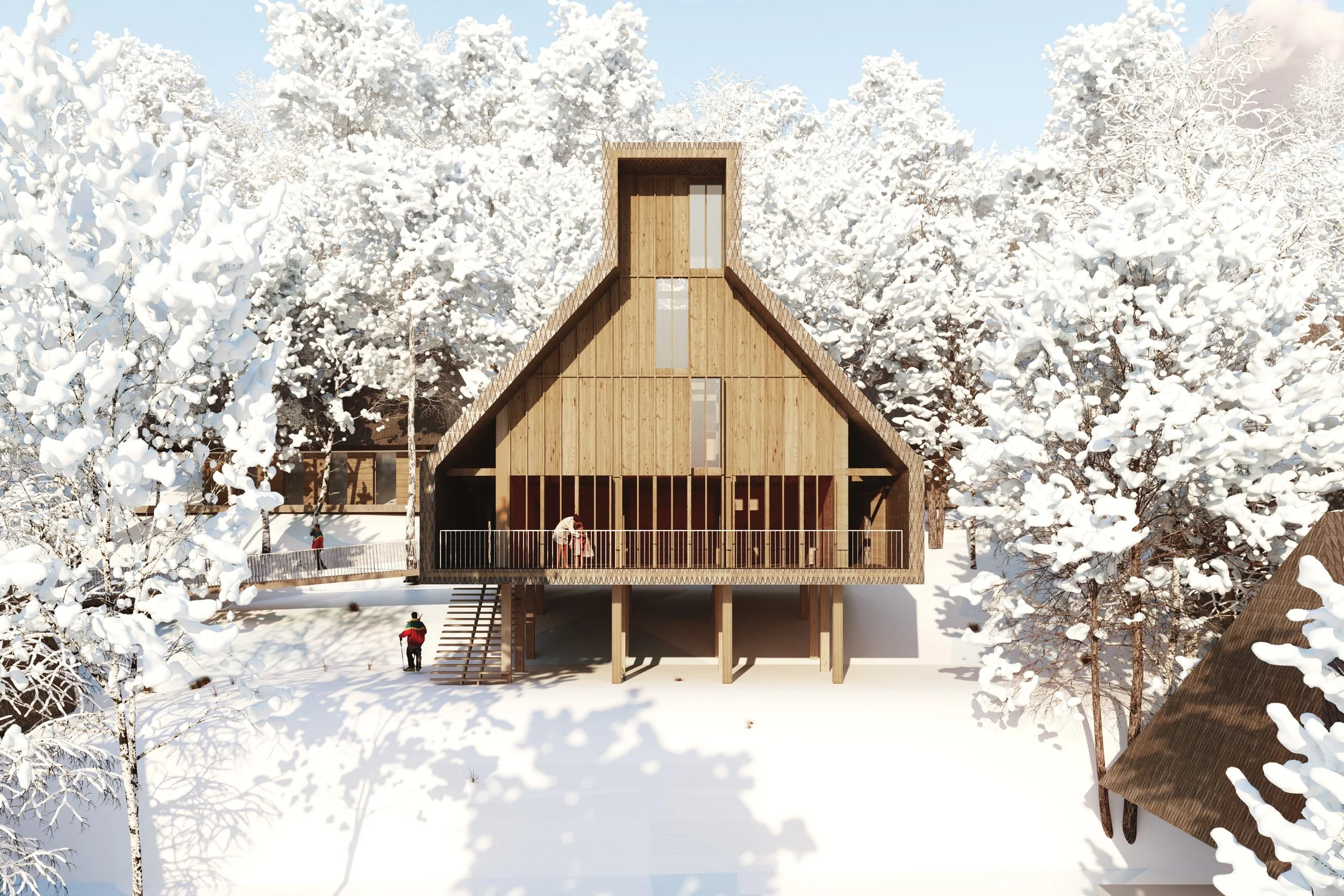
Yet, nothing is set in stone. We can revitalize these spaces: create new economic and social hubs, breathe life back into our cities and villages, and meet the needs of local residents…
The challenge:
The biggest obstacle? Polluted soils. It’s expensive, and the results aren’t immediately “marketable”—they’re intangible, invisible. And yet, it’s so important: beyond revitalizing a brownfield site, it’s nature itself that thanks us!
The good news? Grants exist for this. The catch? You have to take the time to find them and put together the applications.
Next, we need to find takers: companies willing to invest in innovative, large-scale projects in rural areas that are less familiar to investors. This makes for riskier projects, but the potential is huge: low purchase prices for large plots, with existing structures just waiting to be revitalized.
Our observation:
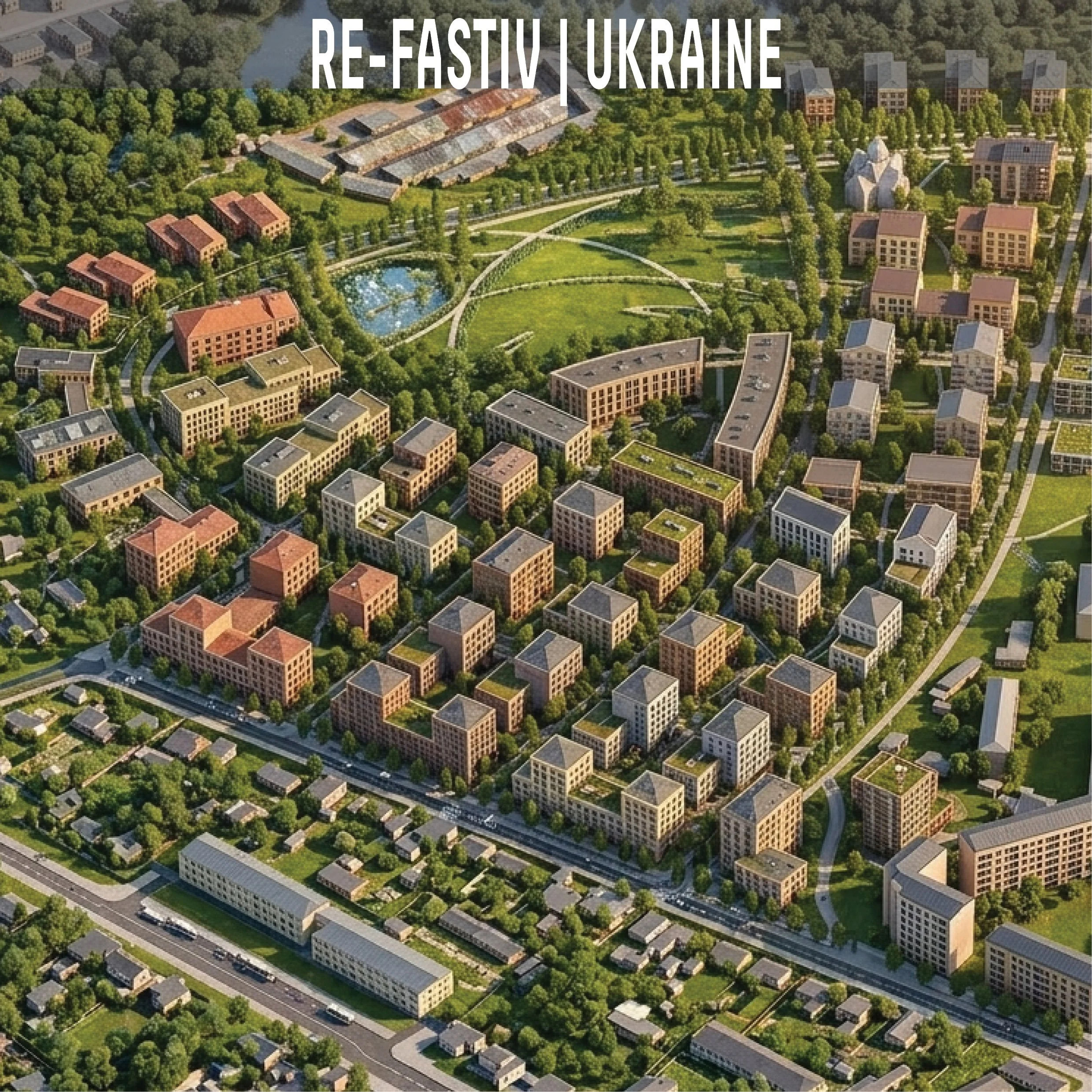
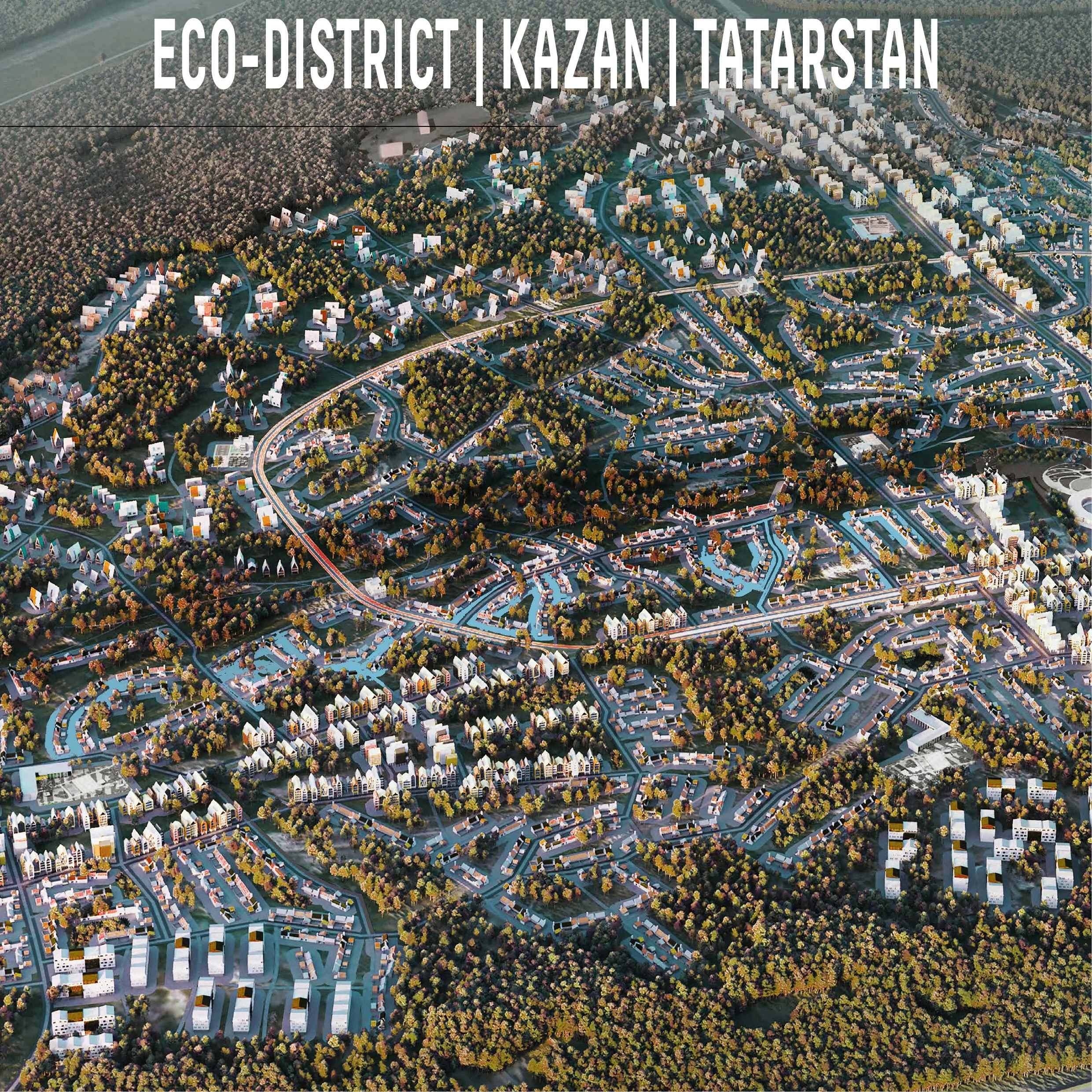
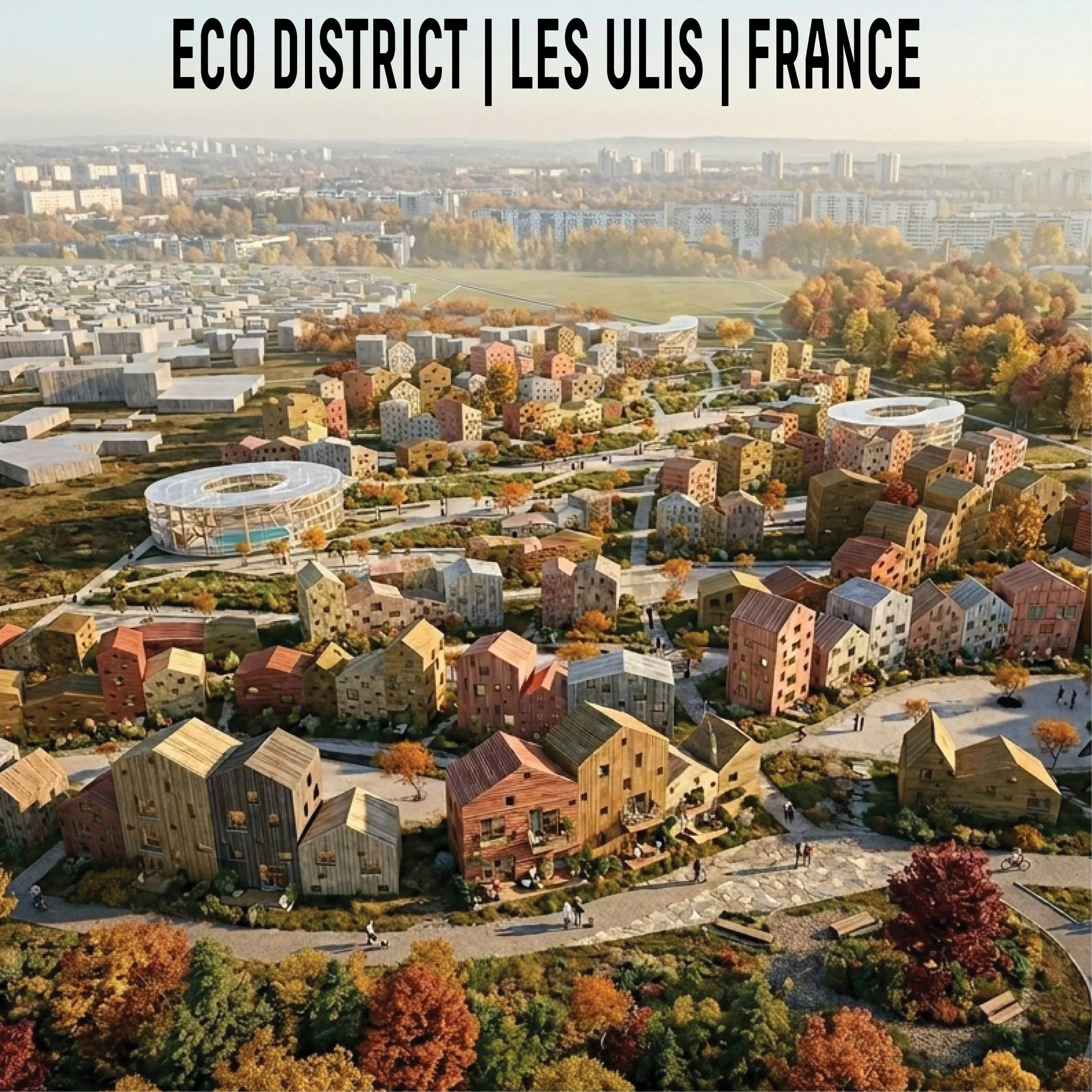
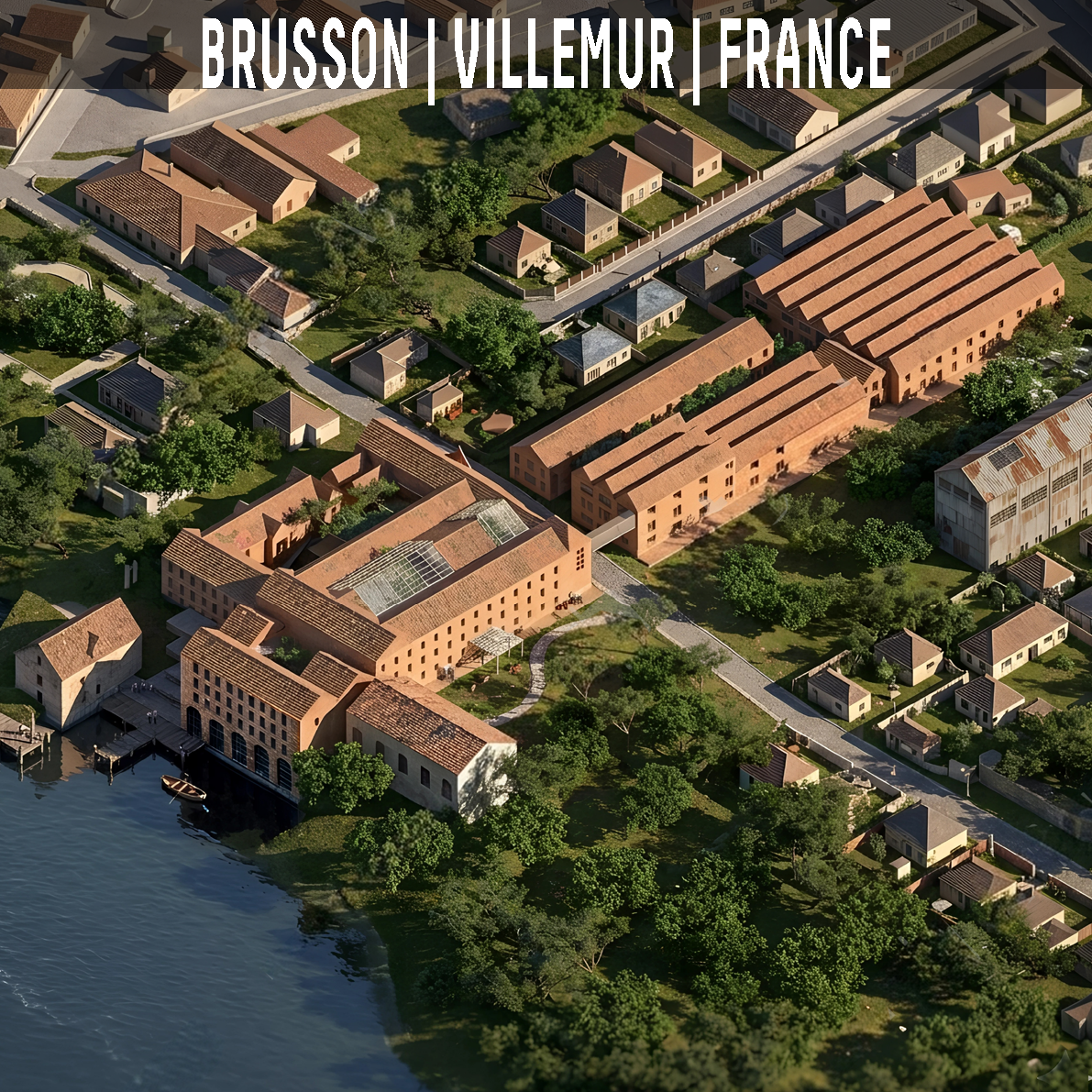
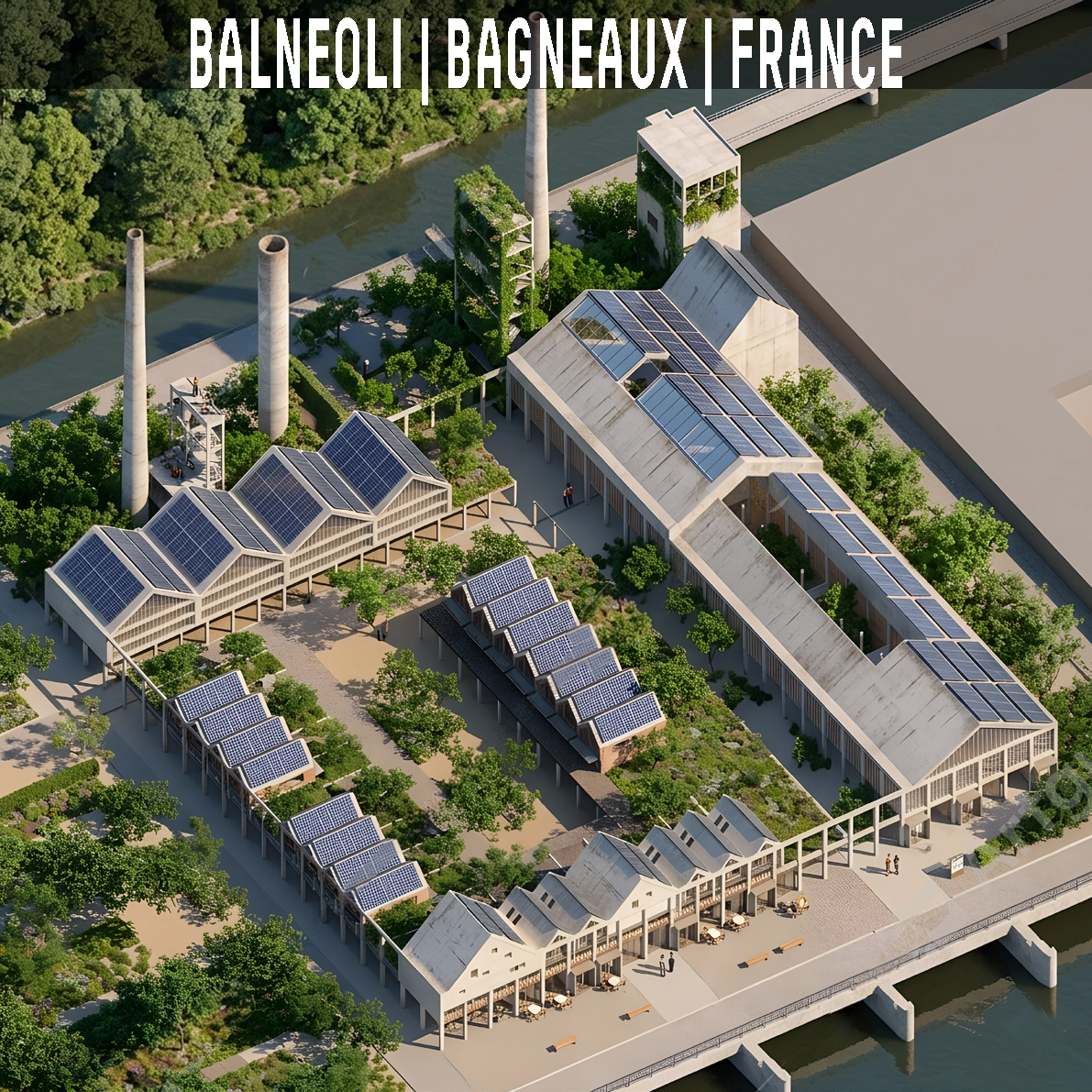
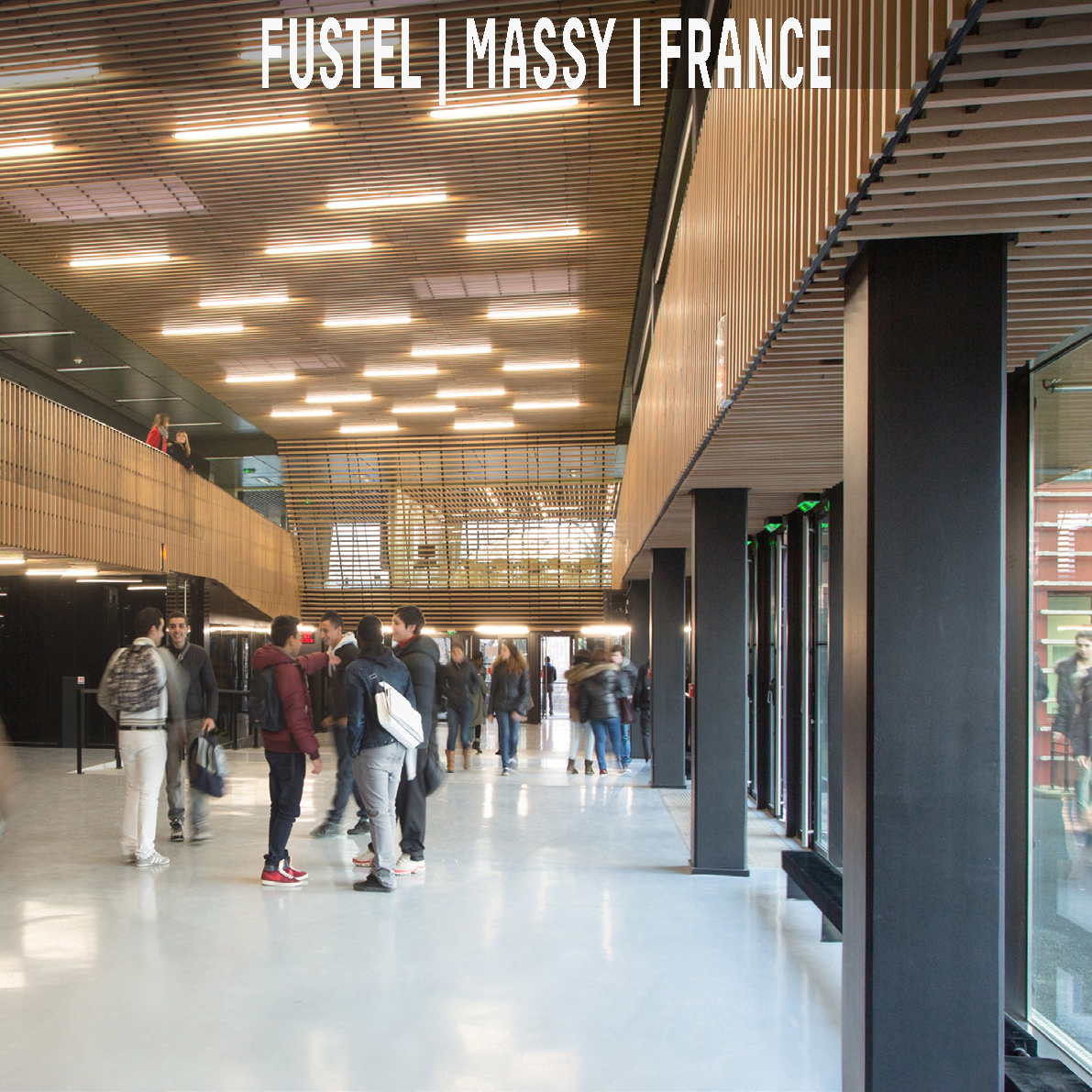
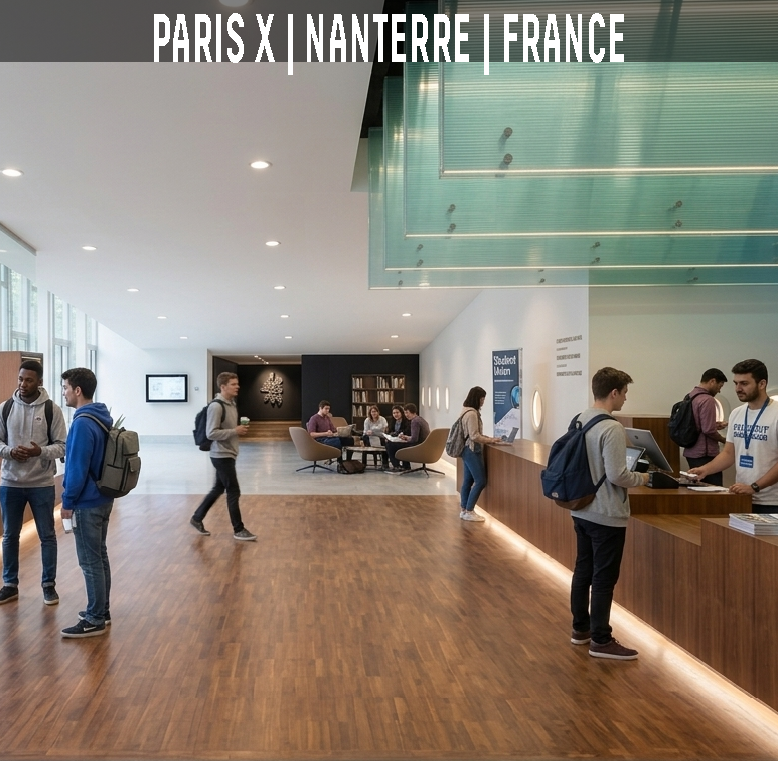
At XTU, we get it. Our experience with two brownfield revitalization projects has been a real challenge.
All too often, the need for feasibility studies is underestimated in favor of a desire for immediate results. And inevitably, we end up doing new studies to address changes, with new stakeholders who, in the meantime, haven’t even reviewed the data already collected.
The solution: ANTICIPATE
Analyze the current state of the brownfield site and its potential, the geographical context, and the needs: housing? Business zones? Retail? Economic and/or artisan hubs?
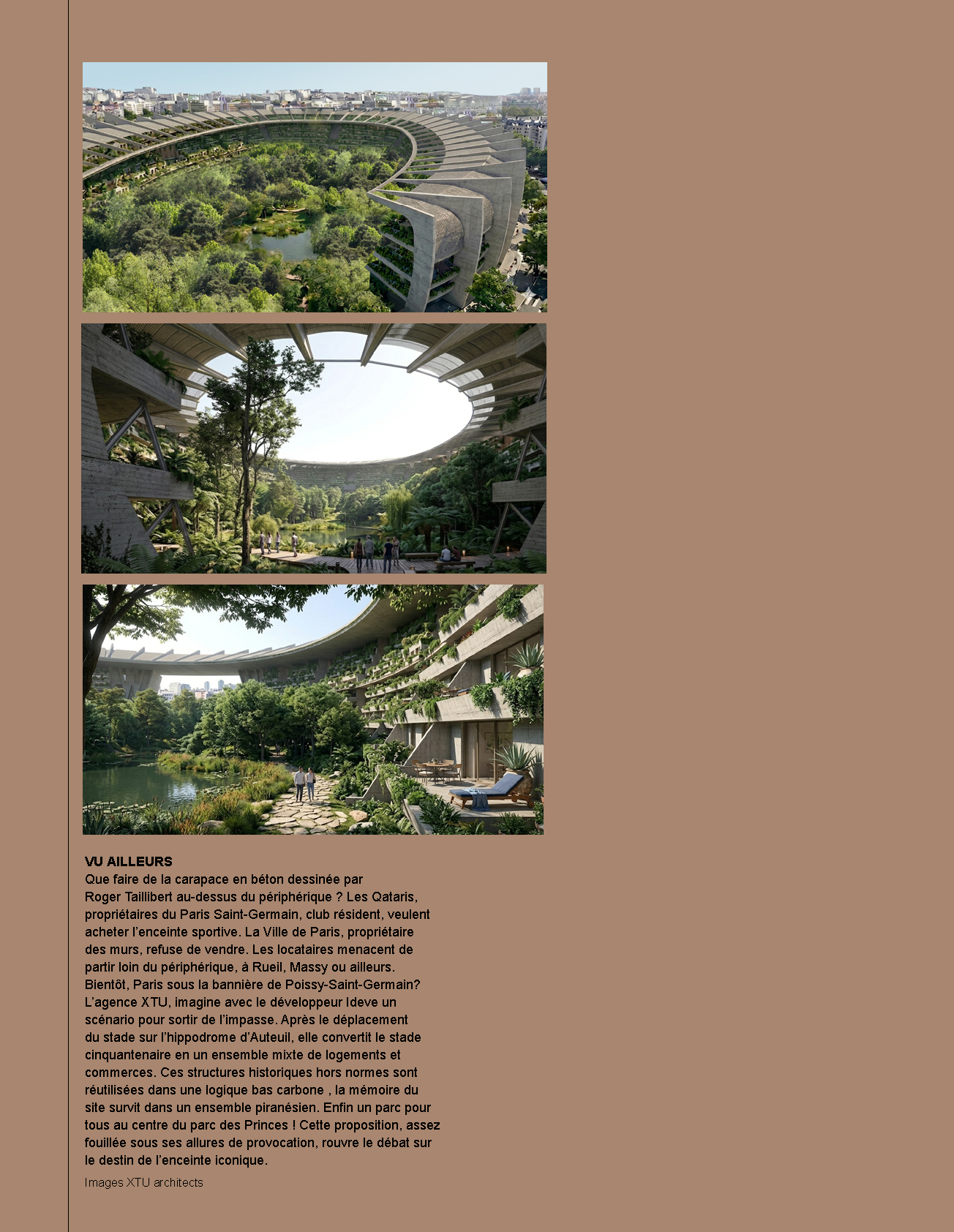
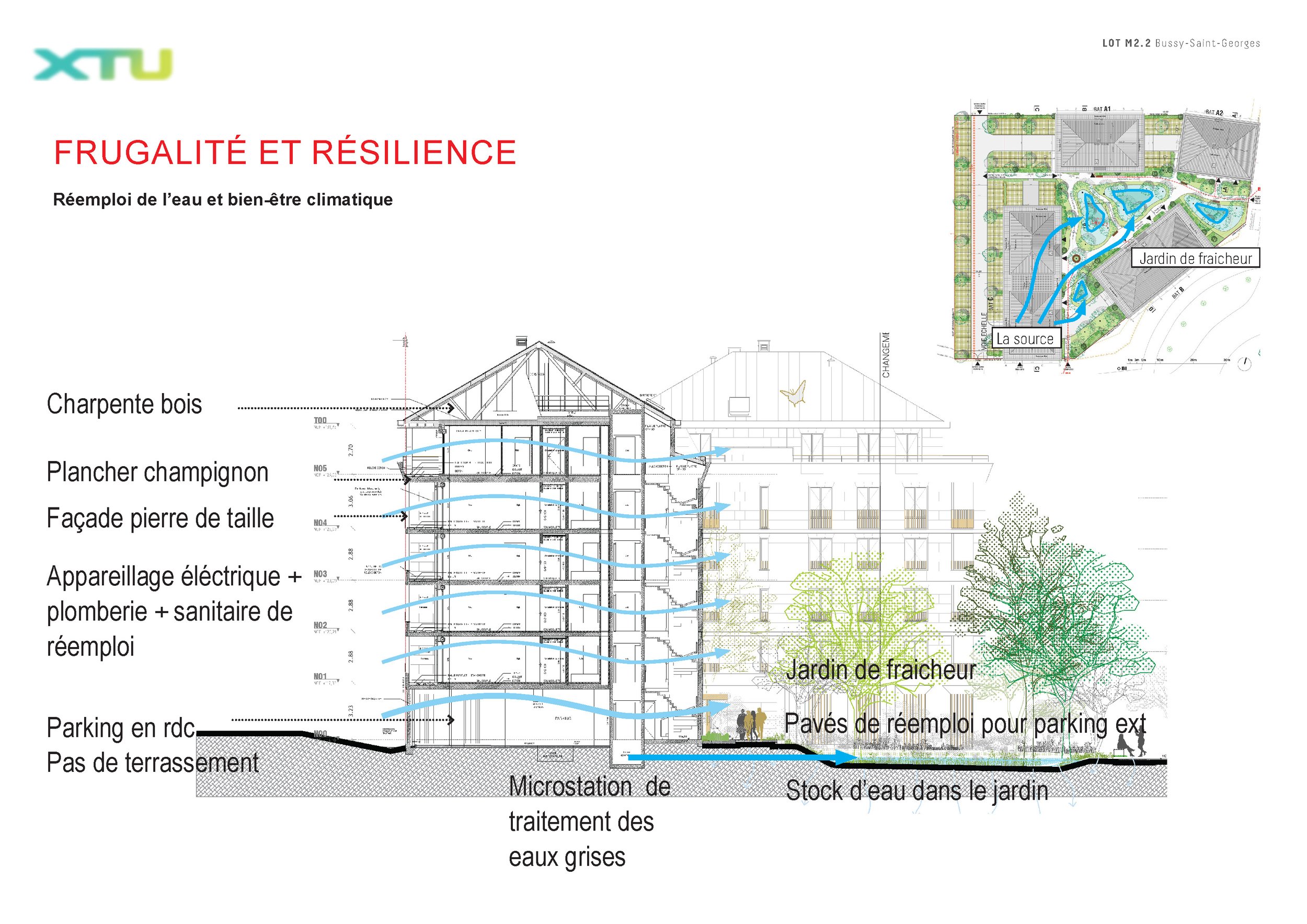
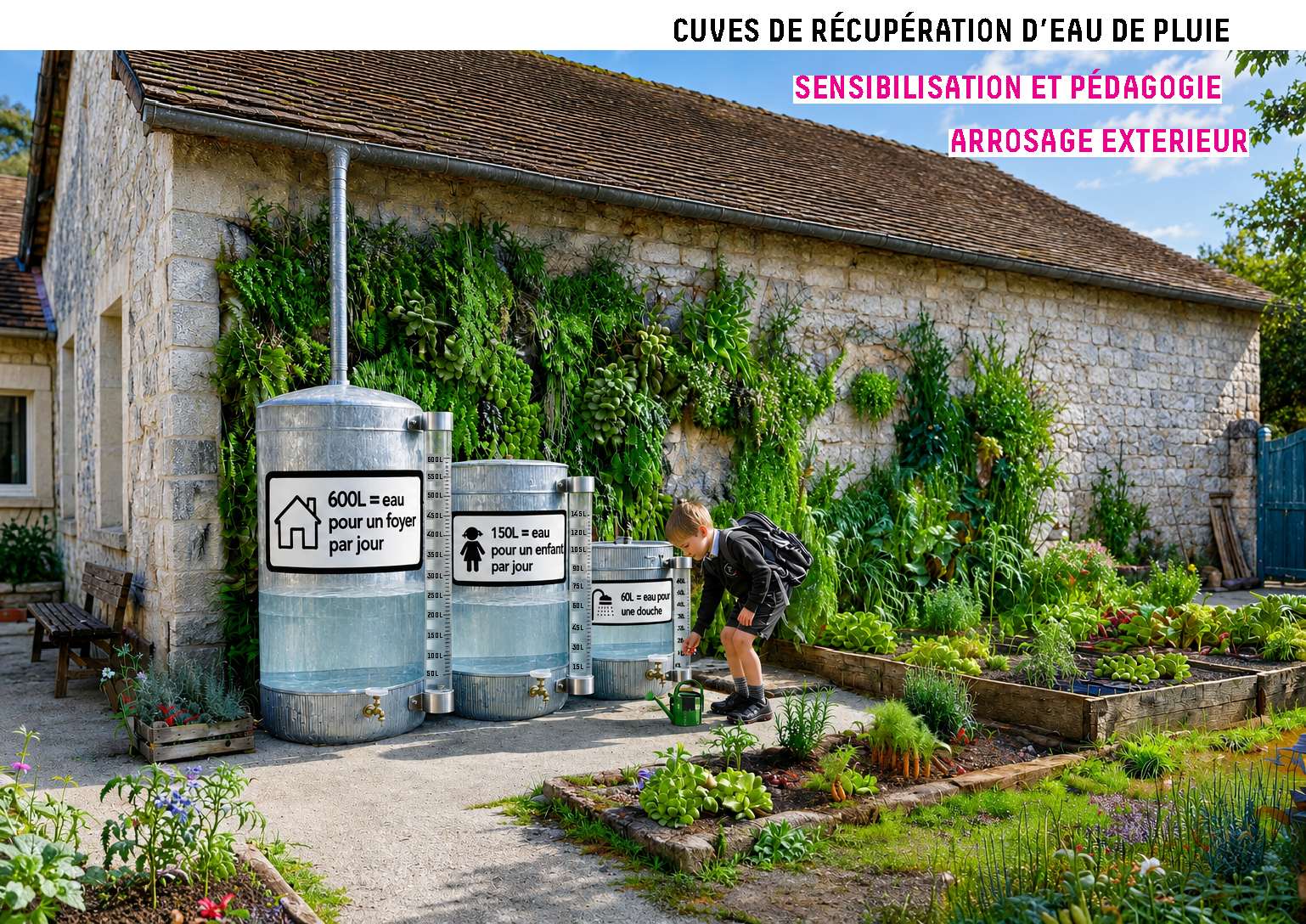
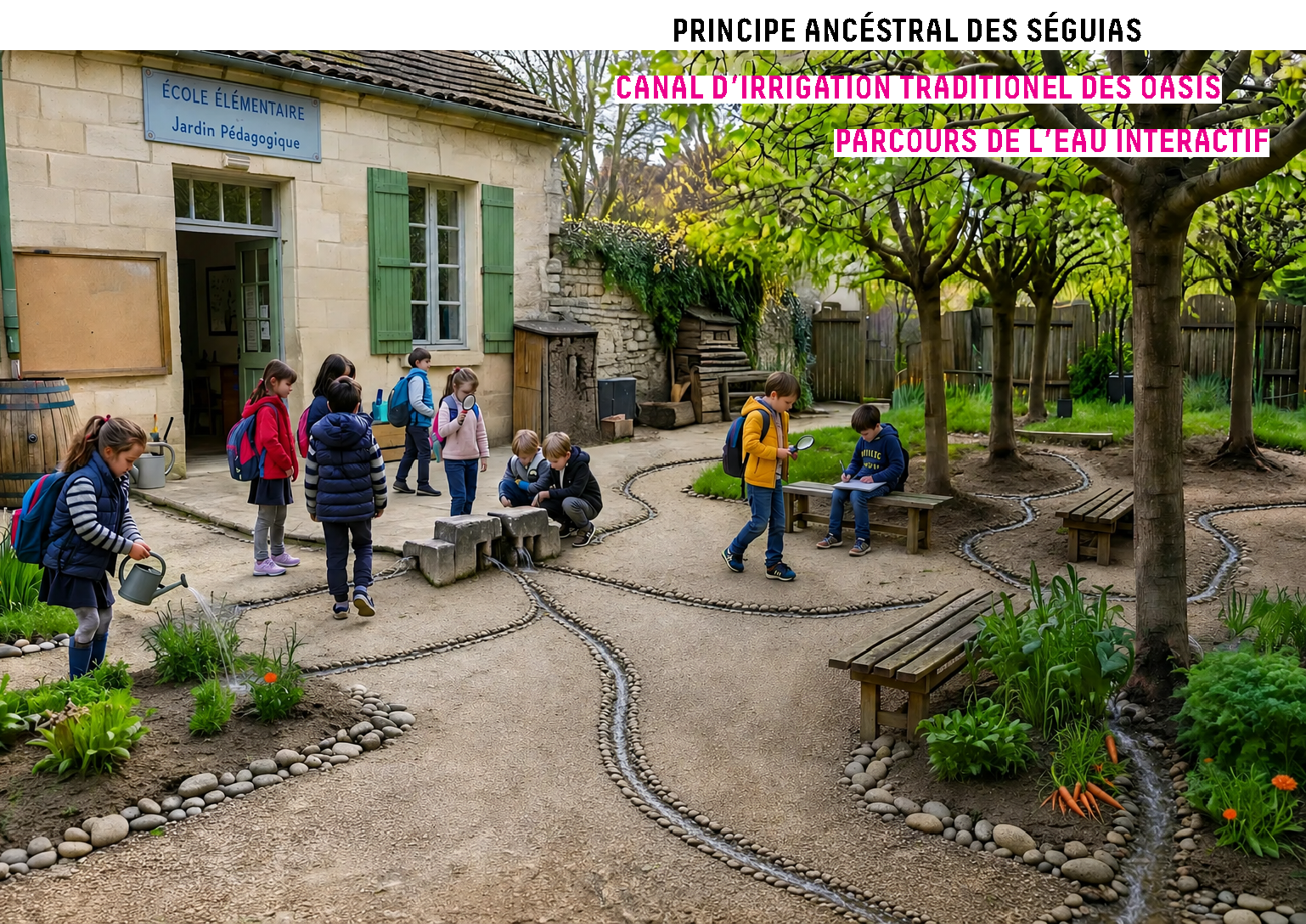
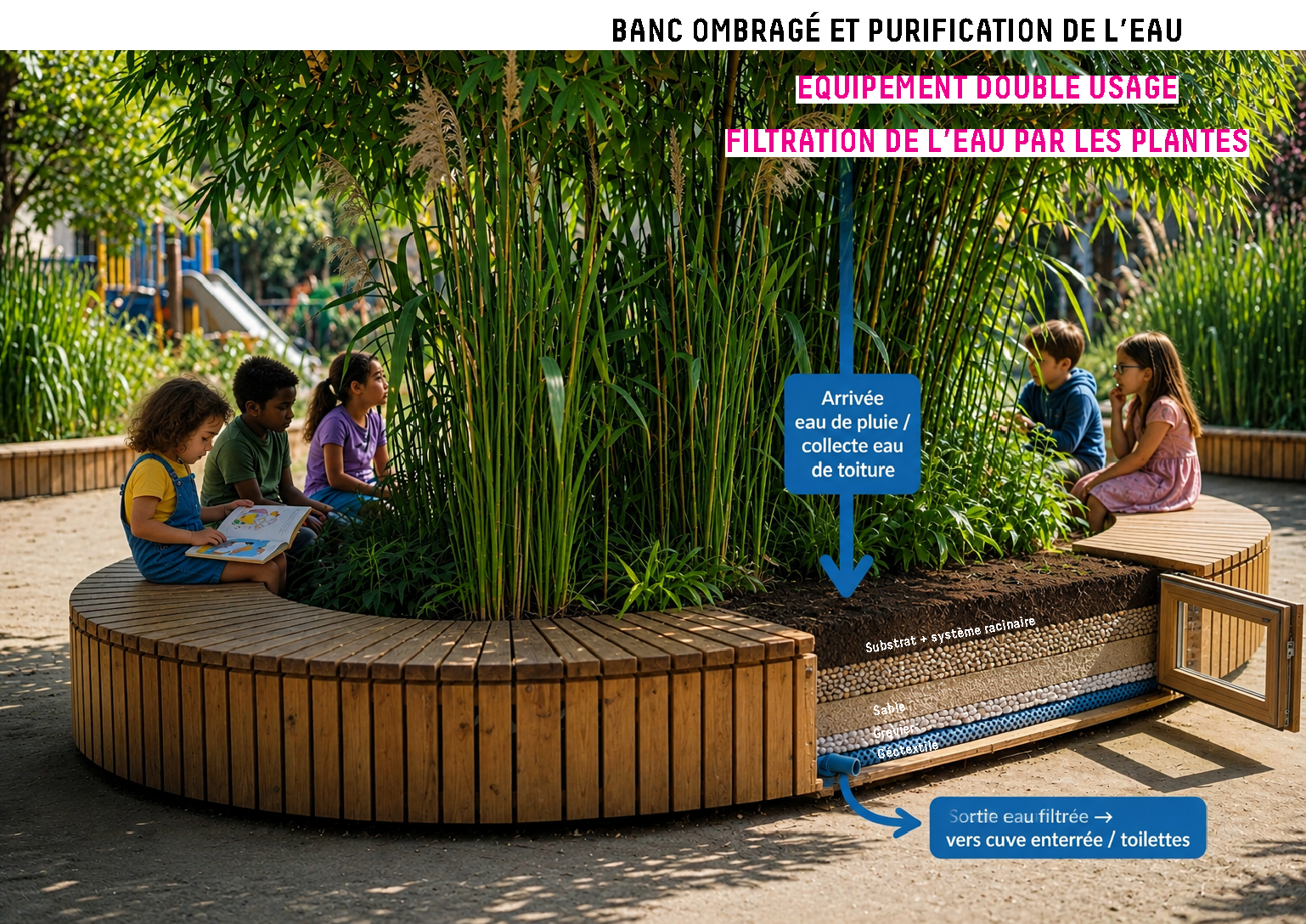
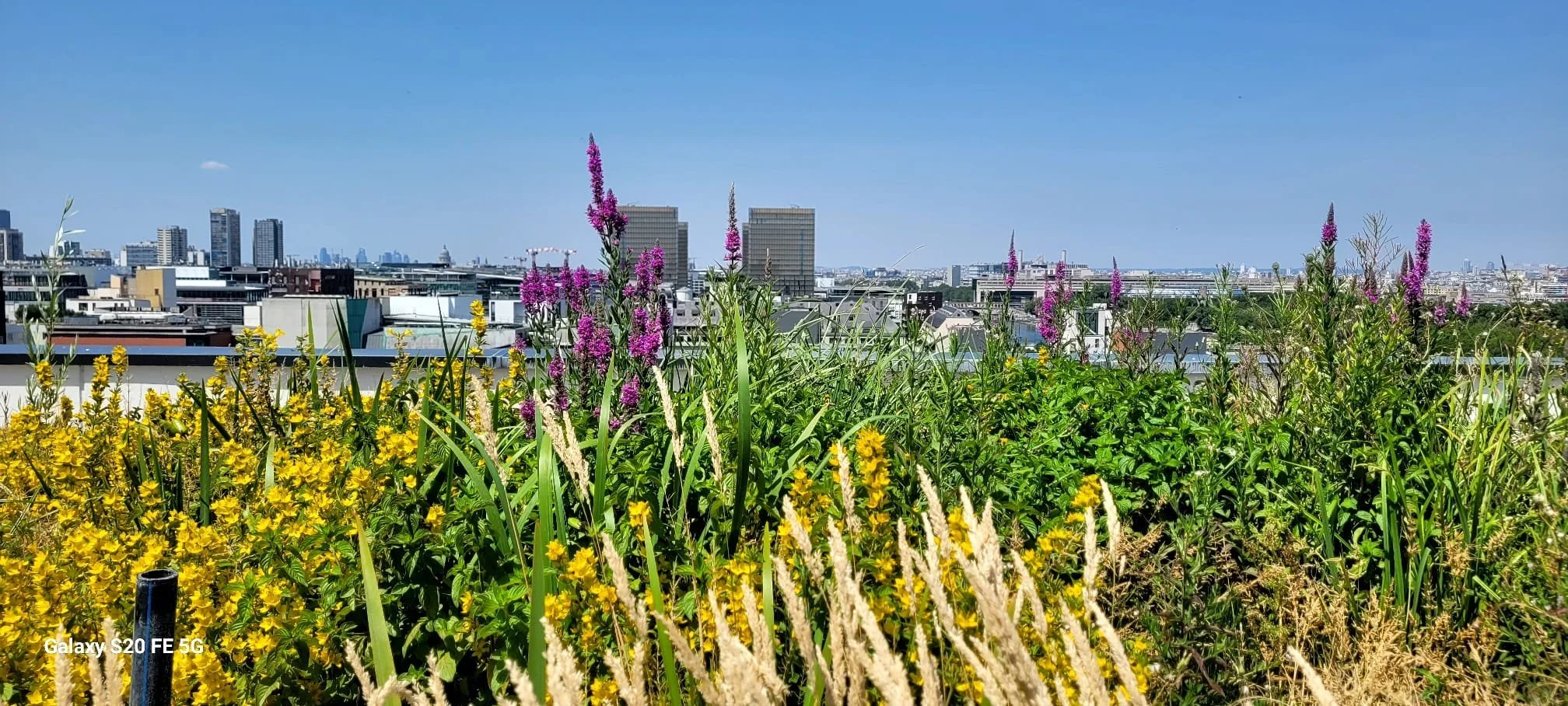
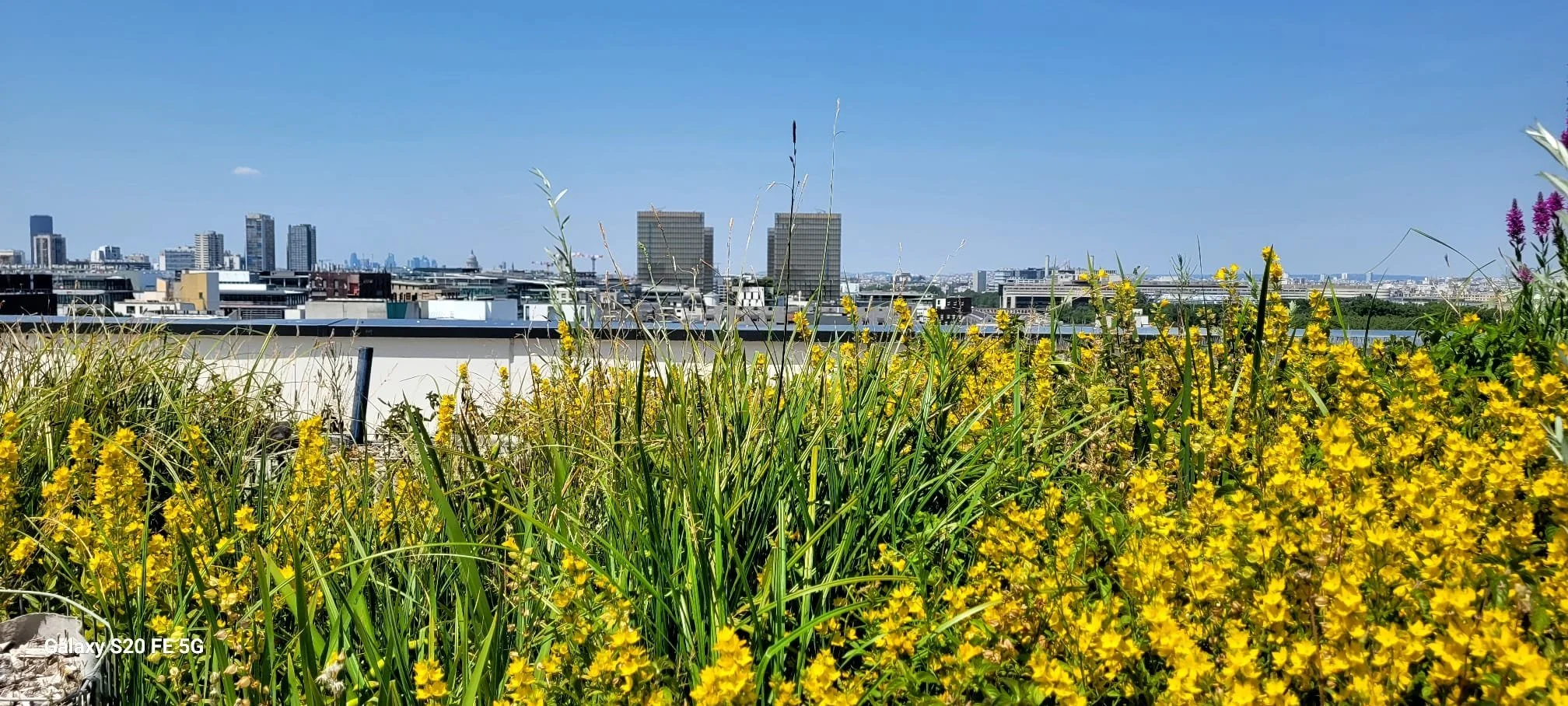
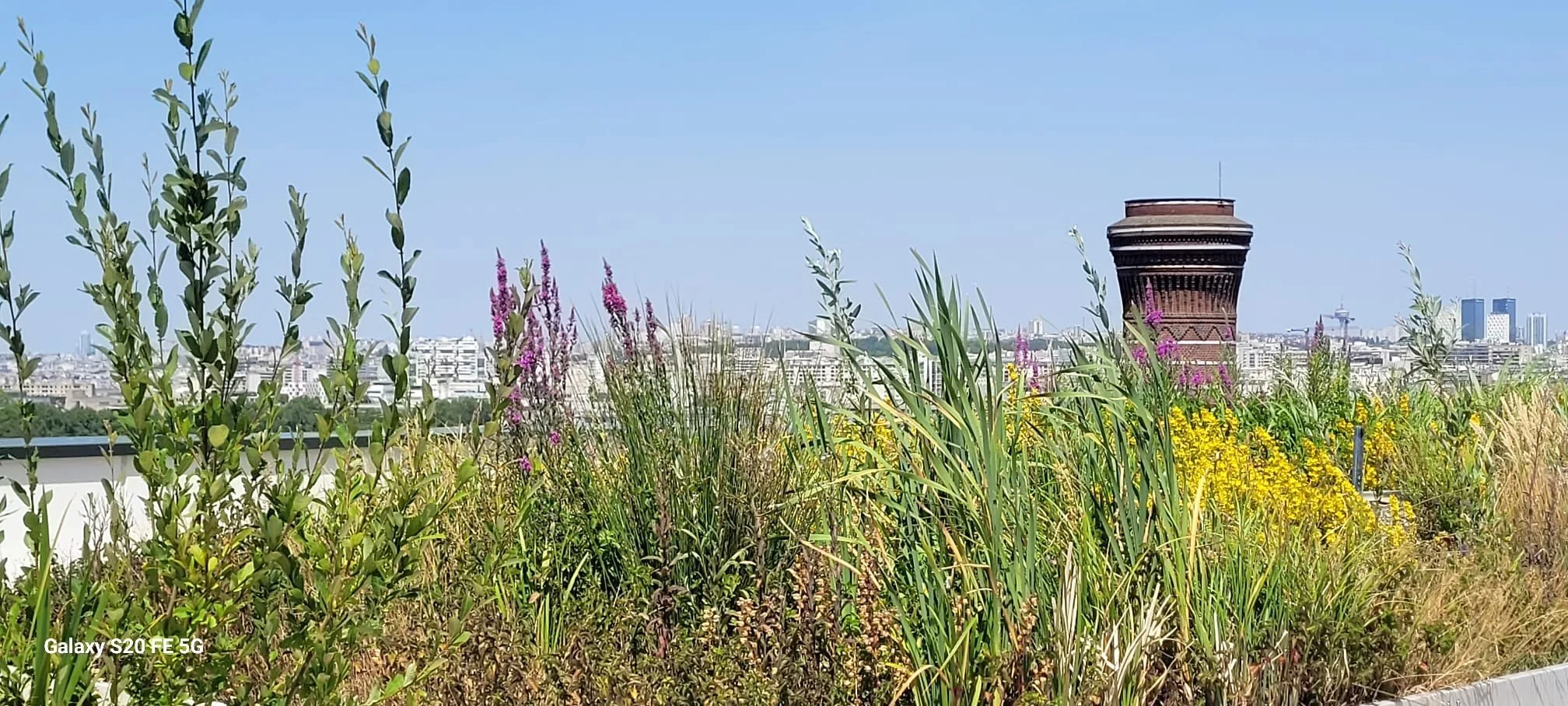
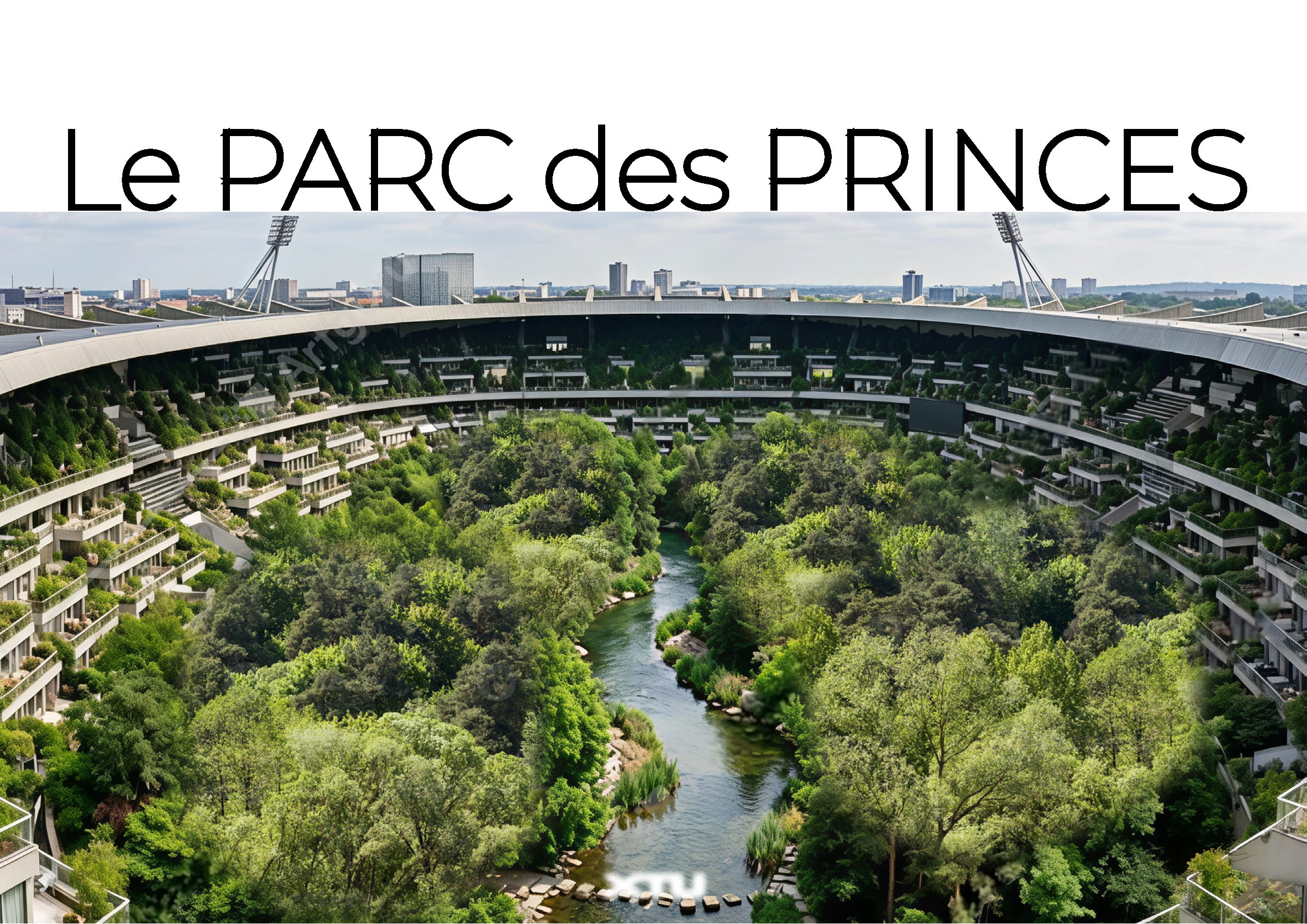
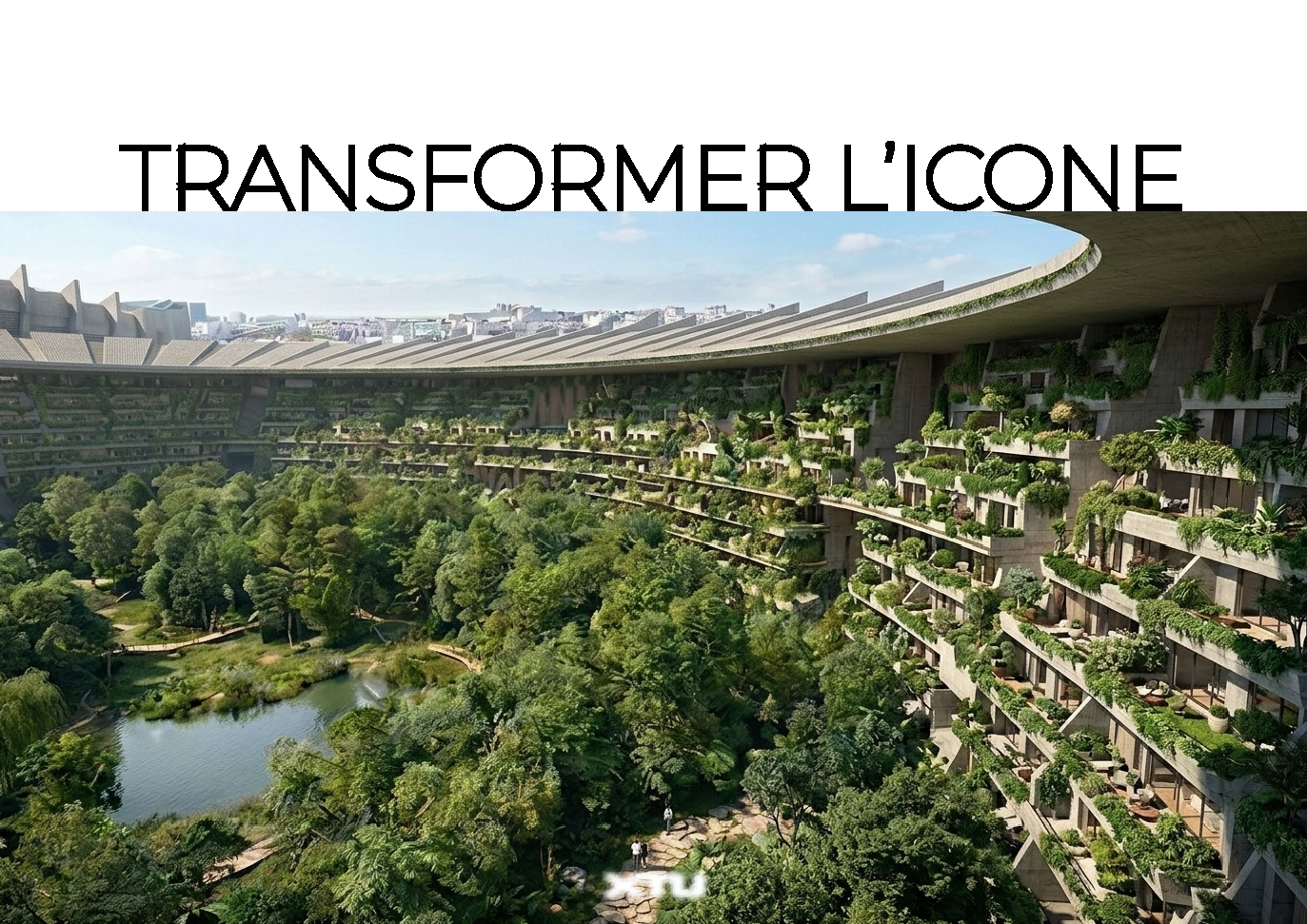
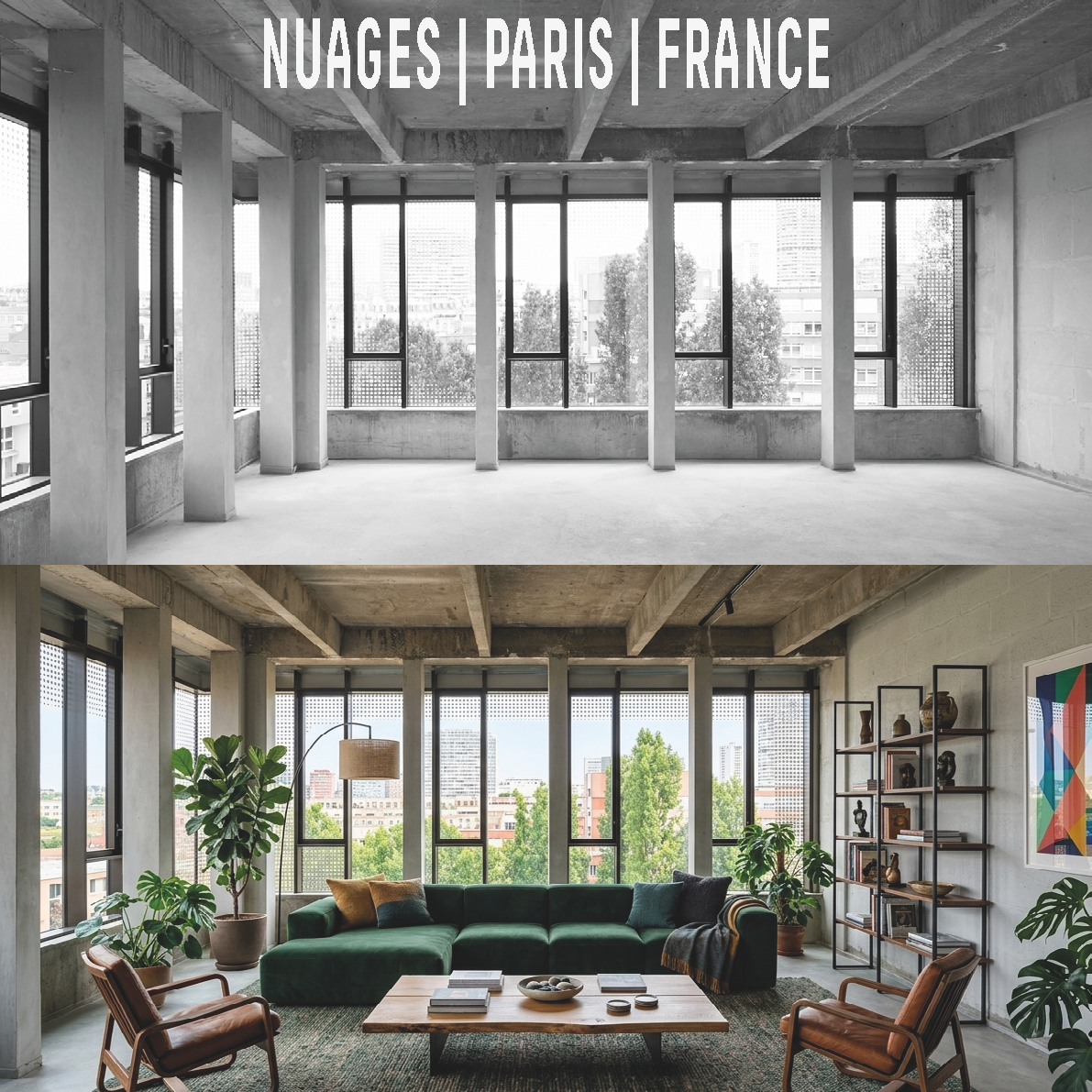
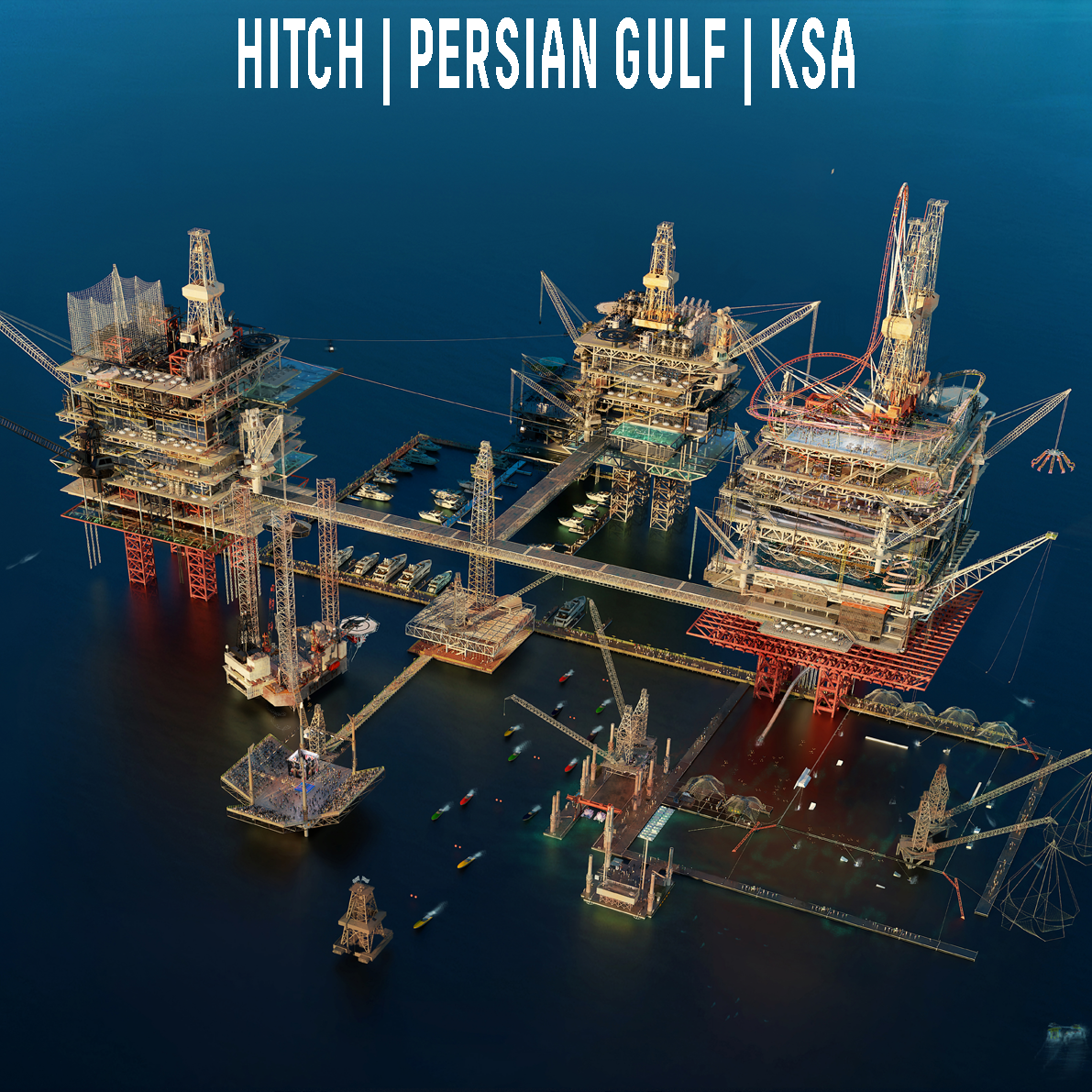
And from the architect’s perspective: Couldn’t we reuse the structure instead of demolishing it? Couldn’t we work with it to create new opportunities? Couldn’t we leverage all that built surface area to harvest rainwater from rooftops? Install solar panels, de-mineralize the soil, and turn it into gardens and swales?
On top of that, we’re reusing an already developed area, avoiding the encroachment on agricultural land.
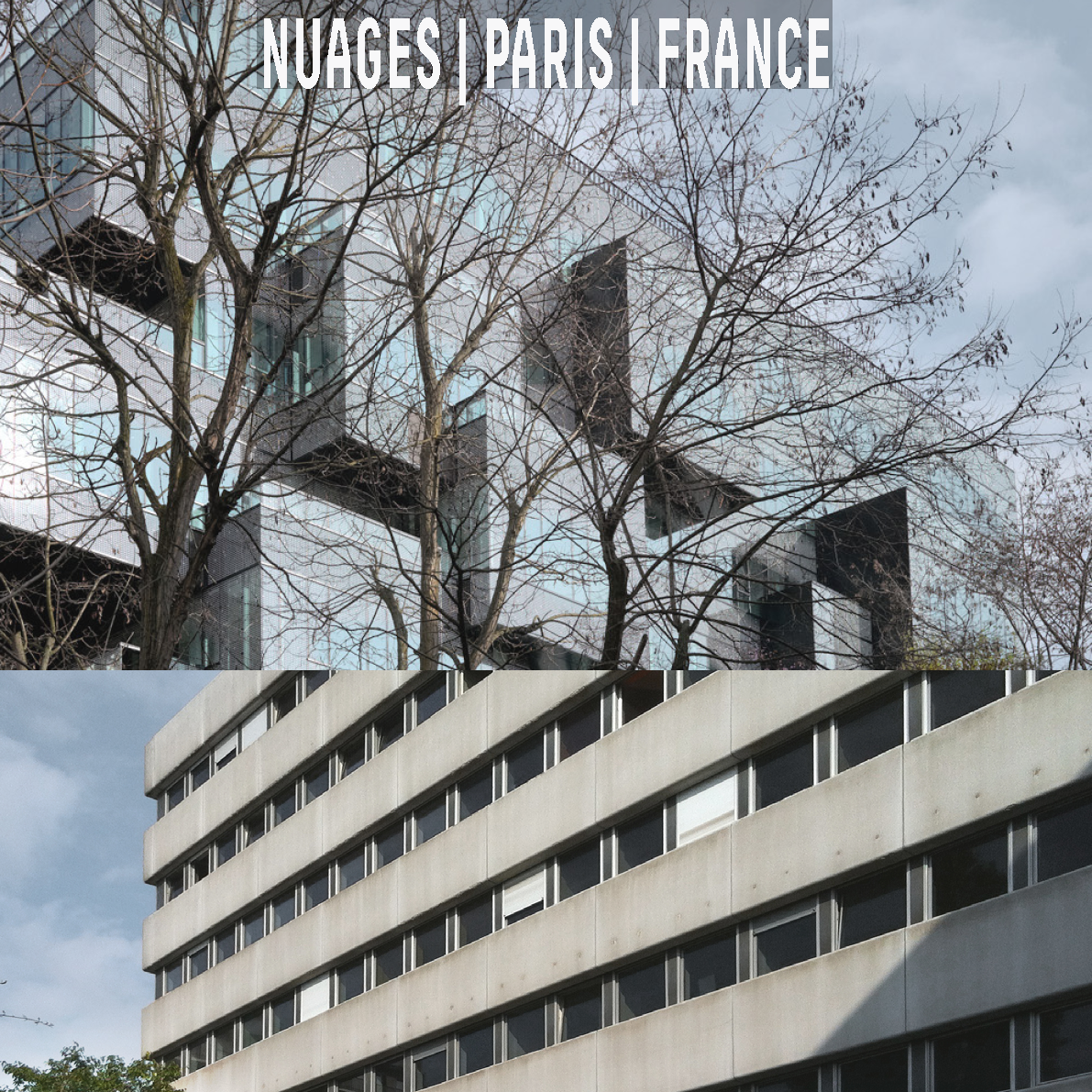
And let’s not forget—we’re talking about industrial brownfields here. But the theme of revitalization also includes converting abandoned offices into housing, modernizing and adapting all types of buildings to meet current needs...
Revitalizing the old is the future of construction. Be a pioneer.
So don’t hesitate to contact us if you’re facing similar situations 😊